August 18th, 2010 by Derek
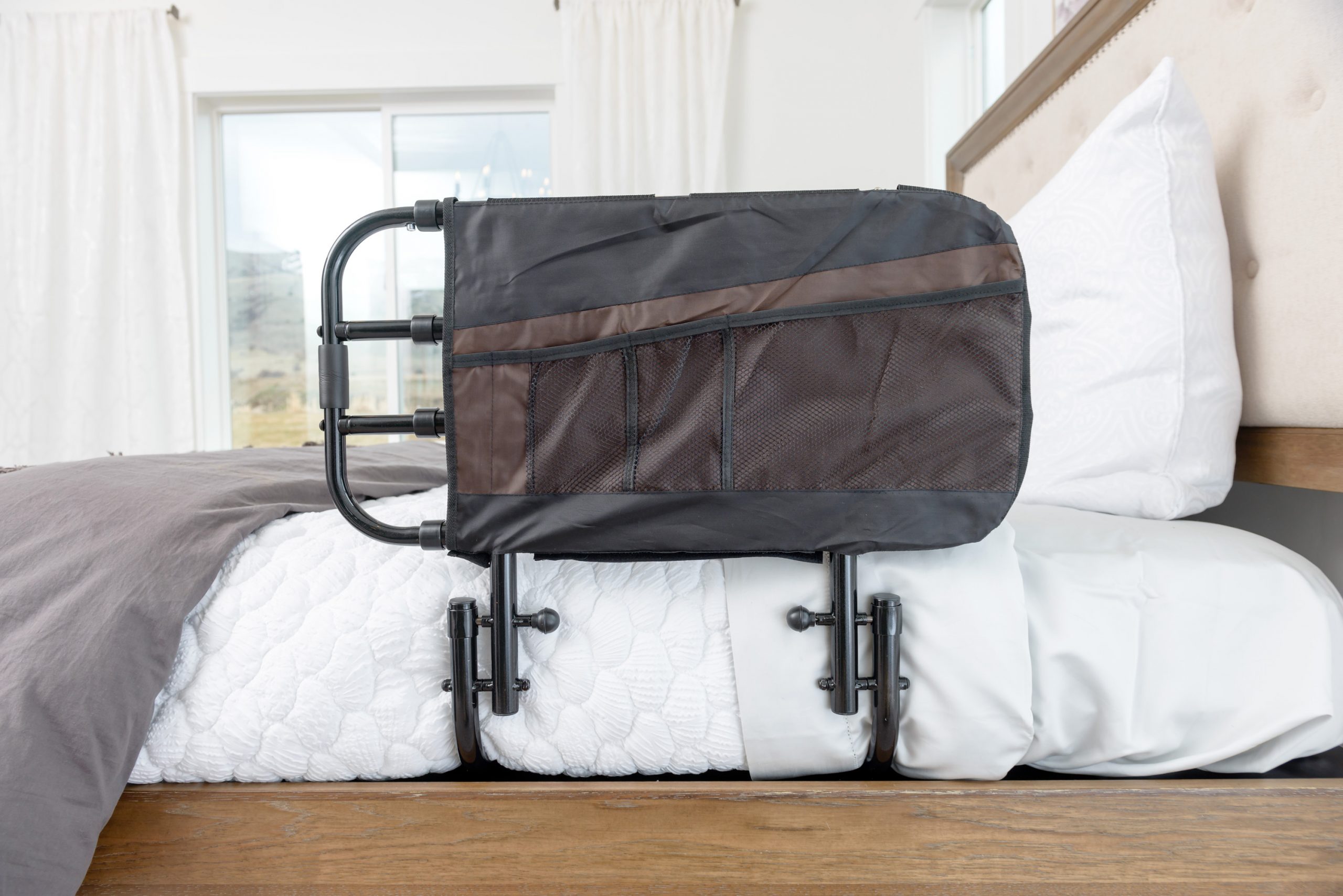
Over the period of 11 years (1990-2001) the FDA has reported over 340 deaths caused from Safety Bed Rails by entrapment. This was due to misuse of the product, the product’s design, and caretaker mishaps. How can you avoid possible injury or death to you or your loved one? Here are the necessary steps to reduce the risk of injury or death from entrapment:
- First and most important, make sure the Safety Bed Rail has a “Zero-Entrapment” design. This is the first step to making sure you or your loved one can stay safe in bed without risk of entrapment. Click here to see a good example of a “Zero-Entrapment” safety bed rail.
- Second, you need to understand the condition and needs of you or your loved one and fit the right safety bed rail to those needs. Some bed rails may be suitable in some cases, but not others. For example, if you didn’t need the bedrail for fall protection, but instead you just needed it to get out of bed easier, than you would use something like this safety bed rail. If you were using it for full fall protection, you would probably choose this safety bed rail. Fitting the right bed rail to you or your loved ones needs can help them stay safe from entrapment.
- One final note: Make sure they are well educated on how to use the safety bed rail. If they aren’t able to understand how to use it, make sure that the care taker knows how to use and operate it. In many cases, death could have been avoided through better orientation or retraining of staff.
If you take these rules into consideration, you will greatly reduce the risk of you or your loved one from entrapment. Be aware of these rules. Go over them yourself or make sure your loved one is aware. Awareness will be your greatest tool in keeping you or your loved one safe as both the caretaker and user of the product.
For more free tips and articles on how to keep you or your loved ones safe with mobility aids, please follow us on Twitter
Stay safe,
Derek Miller
Stander Inc.
Tags: mobility aids, prevent entrapment, safety bed rail, safety bed rail death, safety bed rails
Posted in Uncategorized | No Comments »
July 14th, 2010 by Derek
Taking the first step to purchasing a bedrail can be intimidating. First, you may not think you need a bed rail. You may be resistant to the fact that you may require assistance while getting out of bed. Second, if you do think a bed rail would be right for you, you may not know which bedrail will best fit your needs. Here are some guidelines to see if a bedrail is right for you.
Is a Bedrail right for you? If you fall into one of these categories you may want to consider purchasing a bed rail.
- Need aid in turning and repositioning in bed
- Require a hand hold for assisting you out of bed
- Want a feeling of comfort or security
- Want to feel safe from falling out of bed
- Keeping handy items close by with bedrail pouch
If you have decided a bedrail is right for you, you need a bedrail that fits your needs. The best way to find a bedrail that is right for you is to talk to your physician. In the mean time, here are some suggestions for the following categories.
- Elderly- The elderly population is the most common. They use bedrails for support in getting out of bed and security from falling out of bed. Often times, the elderly require assistance when it comes to getting up and going to the bathroom at night. Also, there has been an increasing amount of bedside fall related accidents. Having a bedrail by your side gives you the feeling of comfort and security. For those looking for security while sleeping, the EZ Adjust BedRail provides full protection and adjusts in length to make getting out of bed easier.
- Disabled- Often times people with physical disabilities that limit their mobility use bedrails to assist them in and out of bed. Bedrail suggestions can range from half bedrails to full size bedrails. People who need full fall protection might use the EZ Adjust Bed Rail or 30″ Safety Bed Rail. For those who don’t need fall protection but still require assistance in getting out of bed, they might use the Bed Cane.
- Pregnancy- With pregnancy comes difficulty getting up. Although you may not need fall protection, you may need assistance from getting out of bed when you have to go the bathroom every half hour. The Bed Cane is the most common bedrail for pregnant women.
- Children- Bedside falls among children are common and can cause serious injury. The Children’s Safety BedRail is a great bedrail to keep your children safe from falling out of bed and gives you the comfort knowing that your child is sleeping safe.
A bedrail can drastically improve your life by providing you safety, support, and gives you the confidence and reassurance that you can live on your own and be independent. Hopefully the resources here can point you in the right direction to choosing the right bedrail for you.
Tags: bedrail
Posted in Uncategorized | No Comments »
July 13th, 2010 by Derek
Yep that’s right, new studies have shown that depression can actually DOUBLE the risk of getting Dementia and Alzheimer’s Disease in your older age. Although they have not exactly pinpointed the direct connection between depression and dementia, they have brought two hypothesis to the table. The first line of thought is that depression is a risk factor for dementia in older age. The second line of thought is that depression is a consequence or symptom of the Alzheimer’s disease or Dementia.
The test group consisted of 949 men and women. Their depression was monitored throughout the course of 17 years, monitoring their depressive symptoms rather than major depressive episodes. During the 17 year follow up, they found that those who suffered from depression were more likely to be diagnosed with Alzheimer’s or Dementia in their older age. Out of the 949 men and women, 164 of them developed dementia with 136 of those being diagnosed with Alzheimer’s Disease. Those who were diagnosed with dementia had higher depression levels than those who were in good health.
So this brings forth the question, “How do I prevent dementia?” Several studies have been done on the subject and one report concludes, “Preventing the recurrence of depression in older adults may prevent or delay the onset of dementia.” Although the studies haven’t exactly pinpointed the root cause, there seems to be a connection between depression and dementia. For tips on how to deal with stress in your elderly age, please read this article “11 Tips For Elderly Dealing With Stress.”
Posted in Uncategorized | No Comments »
June 28th, 2010 by Derek
According to the Insurance Institute for Highway Safety, seniors citizens are driving safer than every before. The fatal accident rate among seniors has dropped 37% over the past 10 years. These are pretty impressive statistics considering the number of drivers over 70 is increasing.
So what caused the drop? We aren’t sure. Studies have not yet pinpointed the cause of the drop in fatal accidents among seniors. Maybe elderly are spending less time fumbling around with iPods or talking away on their cell phone and more time focusing on the road. Regardless of what caused the drop, we can all celebrate knowing that we are entering into a new generation of SAFER elderly drivers.
The rising of technology-on-the-go is making our younger generation of drivers worse than they’ve ever been. Maybe we can learn from our elders and use our cars for their intended use, transportation, instead of turning it into a mobile office.
Tags: elderly drivers, elderly safety, senior safety
Posted in Uncategorized | No Comments »
June 21st, 2010 by Derek
Seniors beware, if you follow these steps you may become healthier than your children. Here are some low cost tips to keep you healthy and prevent illness.
- Wash hands regularly. This is one of the most important things you can do to prevent spread of germs and illness. This is one of the most important and overlooked steps to preventing illness.
- Don’t touch your face. Try to avoid touching your face unless there is a real need to do so. If you scratch your nose, rub your eyes, or touch your mouth, there is a greater chance to spread germs around.
- Refrain from putting things in your mouth. Never put objects like pens, pencils, or your fingers in your mouth. These items may transport germs further into the body.
- When your throat becomes sore, stop consuming milk products for a couple of days. Milk products may aid the germs to multiply more quickly.
- Use hand sanitizers. Always carrying a hand sanitizer can become one of your best friends when it comes to preventing illness. Especially in public places, try to use your hand sanitizer often to kill germs that could cause illness.
Good Nutrition- Try to keep on a healthy diet. Eating any citrus fruits can aid you in fighting germs and illness. These fruits contain high levels of vitamin C which is essential in keeping the body healthy. Also vegetables like broccoli, red bell peppers, green bell peppers, and cauliflower are also high in vitamin C. Fruits like kiwis, strawberries, and other red berries are also high in vitamin C.
There are many precautions that you can take to avoid potential illness. Apply these steps in your lifestyle to prevent you from getting sick and to keep you active.
I hope this was helpful. Stay healthy my friends.
Posted in Uncategorized | No Comments »
June 1st, 2010 by Derek
- Accept your problems- Accept what you cannot change. You can change what you can, but for those things you cannot change, learn to live with it.
- List out your problems- Find which ones are real and which ones are imagined. Once you’ve listed your problems, deal with them as they are, not how you’ve imagined them to be.
- Express your worries- You simply cannot hold all your worries inside yourself. Talk your problems away, because once a burden is shared, it becomes less of a burden.
- Rest- Sleep or relaxation can give your body and mind a chance to recover. Lack of rest can cause you to become more stressed and fatigued.
- One problem at a time- Dealing with one problem at a time can help you sort out your priorities and deal with the most important first.
- Work it off- Physical activities can help you take your mind off your stress and also prevent the negative results of stress.
- Do something for others- Doing something for others makes people feel better about themselves and often times makes them forget about themselves and their worries.
- Avoid the ice cream- Indulging on sugary foods when stressed will only make matters worse. Not only sugar, but alcohol, nicotine, and other “self medications” will only add to your body’s physical stress, making stress a lot harder to deal with.
- Relationship remodeling- Work on your relationships with the ones close to you. It will not only make you happier, but it will also provide a moral support group for when you need to cope with your problems.
- Be the “Captain” of your life- If you are not currently happy with your life, find what is wrong or missing and then develop a plan to change it. If you don’t, you wont find your true desires in life.
- Finally, Have Fun! - When you take the initiative to go do something fun, your mind will focus on something other than your current problems. This is a must! Have some fun and relax.
Tags: coping with stress, elderly stress, relieve anxiety, stress tips
Posted in Uncategorized | No Comments »
May 26th, 2010 by Derek
Now if you think you’re too old to do something, think again! This 101 year old man accomplishes the incredible feat of running the London Marathon. He was born in 1906 and is the worlds oldest competitive runner. He runs to raise money for charity: See this inspiring video below
101 Year Old Man Runs Marathon
He finishes by saying “You’re never too old.”
I don’t know about you but that is inspirational.
Thanks for reading!
Tags: elderly exercise, elderly exercises, elderly walking, exercise for elderly, exercise seniors
Posted in Uncategorized | No Comments »
May 24th, 2010 by Derek
Did you know that almost 40,000 seniors per year are injured getting in and out of automobiles in North America? And that more than 1 in 4 are hospitalized due to injuries like fractured hips and broken bones? Alarming statistics, aren’t they? These were taken from a study published in April 2008 in the Journal of the American Geriatric Society, which provides data and documented research on the subject.
Some of the key findings of the study are:
- Accidents are twice as likely to occur getting out of vehicles as getting in.
- Elderly females are more likely to fall than elderly males.
- Hospitalization rates are 10 times as high as rates for those under 65.
- Primary body areas affected are the head and lower trunk, including the hips.
- The most common diagnoses are fractures and contusions.
The first generation of Baby Boomers, who are turning 65 in 2011, is far more likely to drive at an advanced age than its parents or any other previous generation. In 2005 alone, 91% of all adults ages 65-69 in US held a valid driver’s license.
As the Baby Boomers generation ages, the population in North America will continue shifting toward an older age distribution. It is expected that the proportion of older adults reaches one in every five people by 2030.
The study concludes that the high incidence of falls in older adults that result in injuries calls for serious fall prevention activities for and among this growing demographic group.
Some of the strategies suggested by the authors are: daily physical activity to gain strength and balance, medication review to reduce side effects and interactions, and home modifications to eliminate hazards.
Jim Miller, editor of savysenior.org, presented on his website a list of gadgets and devices available on the market today that can help seniors to prevent injuries when getting in an out of the car, including the following car aids:
- Handybar®: This is a portable support handle that inserts into the U-shaped striker plate on the door frame, which acts as a removable arm on a chair, helpful for driver or for passengers in getting in or out of the vehicle.
- Car Caddie: Portable car handle that hooks around the top of the car door window frame giving you something to hold on to while getting out of the car.
- Swivel Seat Cushion: A round portable cushion that turns 360 degrees to help older drivers and passengers rotate their body into the car.
Sources:
1. April 2008, Journal of the American Geriatric Society (JAGS), a study written by Ann M. Delliger, PhD; Rebecca M. Boyd, MSPH; and Tadesse Haileyesus, MS documents their US research on the subject, which can of course be roughly extrapolated by 1/10th and applied to Canada.
2. savysenior.org

Tags: car aid, car handle, support handle
Posted in Uncategorized | No Comments »
May 17th, 2010 by Derek
Many common household hazards can increase your chances of falling. With a few simple changes, your home can be safer within 7 minutes. Here are 4 easy steps you can follow to make your house safer.
Step 1: Remove Clutter
Remove clutter from hallways and bedrooms. Make sure your floor is clear of rugs, papers, shoes, and cords so you can walk safely and avoid tripping. Check your stairs; are they clear of clutter, do they have handrails on both sides?
Step 2: Improve Lighting
Improve lighting and make sure light switches are easy to reach. Use a night light at your bed side to improve your safety if you have to get up in the middle of the night.
Step 3: Bathroom Safety
There are many things you can do to avoid falling in the bathroom. use a non slip mat in the shower and bathtub. Use or install hand railings in your bathtub or around the toilet to give you support and prevent you from falling. Also, try to keep your floor dry.
Step 4: Wear Shoes Around The House
Finally, wear shoes throughout the house. Shoes with good traction and non-slip soles can prevent you from falling in your house. Use them indoors and outdoors to increase your safety.
Bonus Step: Mobility Aids
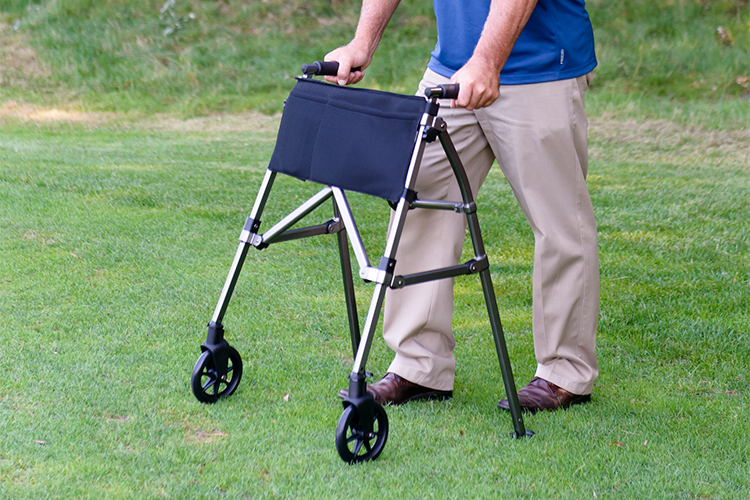
Install mobility aids throughout the house to reduce falls. Suggested mobility aids would be bed safety rails, grab rails, and rolling walkers. These will dramatically increase the safety in your home and reduce falls.
For more information on Senior Health, visit NIH Senior Health. It is an amazing website we stumbled upon and thought it would be a good resource for you to find your health needs.
Hope this information serves you well. Thanks for reading and stay safe!
Tags: bed safety rails, grab rails, mobility aids, rolling walkers
Posted in Uncategorized | No Comments »
May 7th, 2010 by Derek
Choosing bed safety rails are more complicated than you think. You need to fit it exactly to your needs or you won’t be getting the most from your bed rail. Here are the 3 Essential Secrets to choosing a bed safety rail.
1. Purpose: you need to decide what the bed rail is going to be used for.
2. Entrapment: zero entrapment bed rails will prevent accidental injury or death
3. Life-Style: your safety bed rail needs to fit your lifestyle, not the other way around.
4. Bonus Tip: Guarantee: This is one of the most overlooked secrets. If your bed rail doesn’t fit your needs, you need to be able to take it back no questions asked!
Tip #1: Find the purpose of your bed rail.
One type of bed rail is a full size “bed rail guard”. This type of bed rail is used to keep you from falling out of bed. The Second type of bed safety rail is the half size “bed assist rail”. This half size rail is used to assist you to stand from your bed safely and provides better maneuverability.
Of course, there may be a need for a combination of both. For this, you may want to consider a bed rail that extends in length after installation such as the EZ Adjust Bed Rail.
Tip #2: Entrapment
When looking for a bed rail, you need to make sure that it is a zero entrapment bed rail. This means that it doesn’t have space where you can get entrapped in the bed rail. This is a leading cause in injuries and accidental deaths with bed rails.
Tip #3: Life Style
Your safety bed rail needs to fit your lifestyle, not the other way around. If you are a traveler, you may want to consider a compact travel bed rail. If you want your bed rail to fold out of the way when it’s not in use, you may want to consider a folding bed rail. If you want a bed rail that extends in length, you may want an extendable bed rail. There are also pouches to put your books, magazines, and TV remotes in just for your convenience. Make sure your bed rail fits your lifestyle.
So what safety bed rail is best for you? Hopefully our “3 Essential Tips” gave you some guidance. To see pictures and videos of possible bed safety rails for you, visit http://www.stander.com.
Tags: bed assist rail, bed rail guard, bed safety rails, extendable bed rail, folding bed rail, travel bed rail
Posted in bed rails | No Comments »